Wing Chun Foundations and philosophy of combat
More in this category: Surprising Insight: Tested Cozy for All Seasons

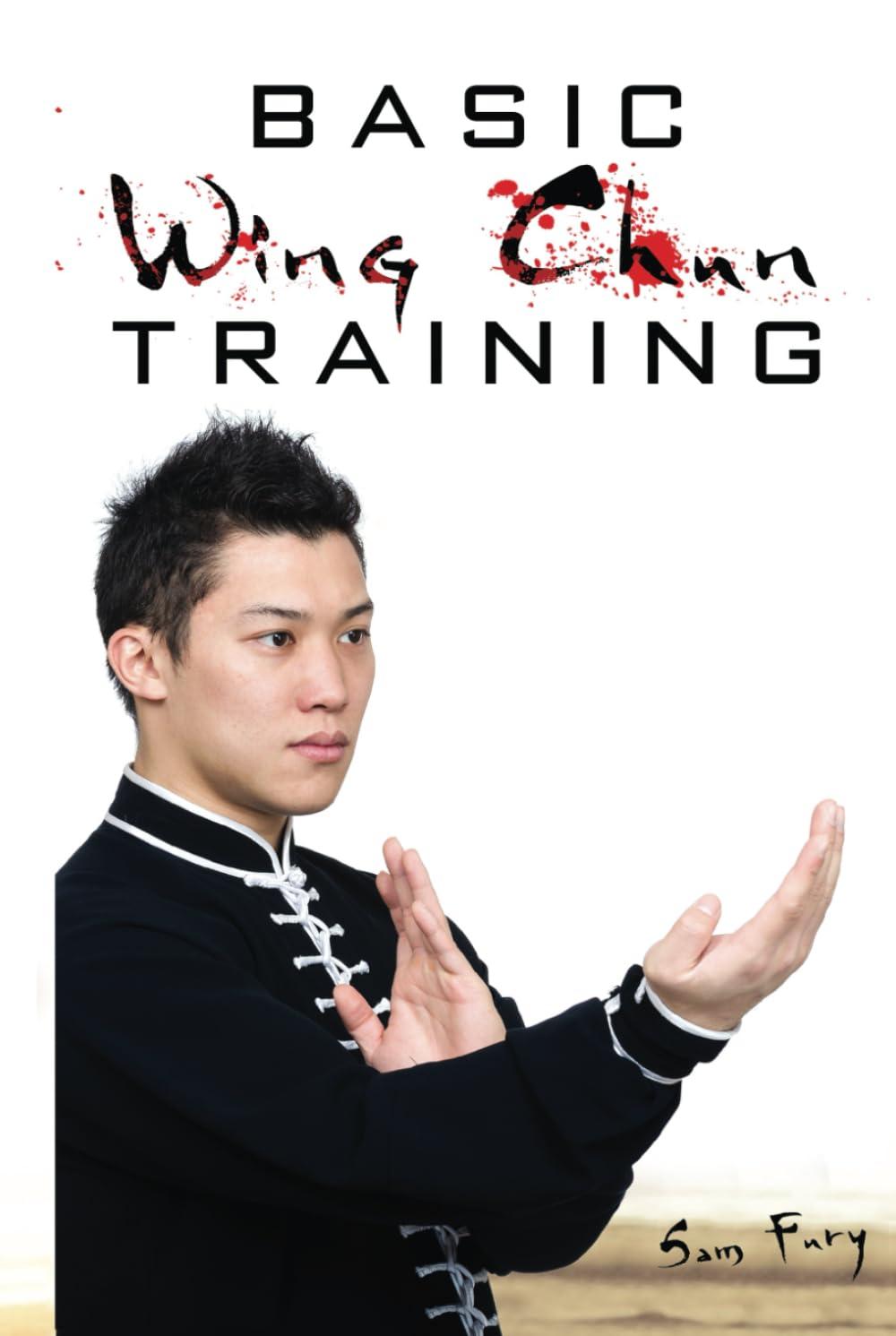
Basic Wing Chun Training is designed for modern self-defense, adapting customary techniques to street scenarios. It starts wiht foundational skills for beginners and progresses to advanced drills like sticky hands (Chi Sao). key components include the legendary Wing Chun punch, arm-locks, strikes (punches, kicks, elbows, knees, chops), trapping, grabbing, and counter-attacks. The training emphasizes the Centerline Principle, footwork for speed and balance, and proper body alignment. Conditioning exercises build the necesary strength, while drills develop lightning-fast reflexes. This system is effective without relying on strength or size, making it ideal for self-defense in real-world situations.
The manual contains 42 lessons and 97 exercises, structured with a never-ending training timetable. It integrates basic theory into practical lessons, covering traditional hand techniques like Tan Sau, Pak Sau, and Lap Sau. the direct line principle and use of training equipment are also highlighted. While complete, some advanced learners might find the street adaptations less detailed than traditional Wing chun curricula.
Here’s a summary of key features, pros, and cons:
| Key Features |
|---|
| Beginner to advanced training |
| 42 lessons, 97 exercises, training timetable |
| Street-focused adaptations of Wing Chun |
| core concepts: Centerline, direct line, footwork |
| Pros |
| Self-defense focused |
| No strength or size required |
| Comprehensive lessons and drills |
| Cons |
| Limited street-fighting depth for experts |
| Less traditional curriculum detail |

Defensive Stances and Core Techniques in Action
I've been using this Wing Chun training manual for street fighting and self-defense, and itS incredibly comprehensive for beginners. The book starts with basic techniques like the legendary Wing Chun punch and progresses to advanced methods like sticky hands (Chi Sao).It includes 42 lessons and 97 exercises, covering everything from arm-locks and strikes to trapping and counter-attacks. The emphasis on the Centerline Principle and direct line techniques really helps in understanding the core concepts of Wing Chun, making it practical for real-world scenarios. The training timetable is especially helpful for consistent practice, and the inclusion of conditioning exercises ensures physical readiness.
The manual also highlights how Wing Chun adapts to modern self-defense, avoiding techniques that rely on strength or size. This makes it accessible to anyone, regardless of their physical attributes. The lessons on traditional hand techniques like Tan Sau and Pak Sau are beautifully illustrated, and the explanations are clear enough for self-training. While the depth occasionally requires supplemental videos, the content is structured logically, making it easy to follow even for absolute beginners.
Here’s a summary of key features, pros, and cons in a clean, compact table for shopping sites:
| feature | Value |
|---|---|
| Lessons | 42 |
| Exercises | 97 |
| Techniques Covered | Punches, kicks, arm-locks, traps, counter-attacks |
| Pros | |
|
|
| Cons | |
|
Practical Self Defense Strategies from Our Training

My experience with this training manual has been incredibly insightful. It begins with foundational Wing Chun techniques, progressing smoothly into advanced drills like Chi Sao. The emphasis on the Centerline Principle and practical lessons on interception and counter-attack makes it invaluable for street scenarios. I particularly appreciated the conditioning exercises and footwork drills that enhance speed and balance.
The manual covers a wide range of techniques, from punches and kicks to arm-locks and trapping. Lessons on body alignment and weight distribution ensure effectiveness without relying on brute strength. It’s a fantastic resource for beginners or those looking to refine their skills for self-defense.
The 42 lessons and 97 exercises are well-structured, making complex techniques approachable. the inclusion of sticky hands drills and Tan Sau,Pak Sau,and other hand techniques provides a comprehensive foundation. What sets it apart is the clear focus on adapting classic Wing Chun for modern self-defense, avoiding rigid traditional forms that don’t translate well to street fights. The direct line principle and reflex advancement drills are particularly practical for real-world encounters.
| Key Features | Pros | Cons |
|---|---|---|
| Beginner-Amiable | Structured lessons for easy learning | Limited in depth for advanced practitioners |
| Self-Defense Focus | Practical techniques for street scenarios | doesn't replace hands-on training |
| Comprehensive Content | Includes strikes, locks, and Chi Sao | Less emphasis on traditional forms |
| Resource Rich | Training timetable and sample chapters | Typo errors in some sections |
in-Depth Insights on efficiency and Effectiveness
Related: Tested Food Wall Art Magnets: Surprising Savings & Sustainability Boost
Basic Wing Chun Training provides a comprehensive guide for beginners and experienced martial artists looking to adapt traditional techniques for modern self-defense. The program starts with foundational principles like the Centerline Theory and progresses to advanced drills such as sticky hands (Chi Sao). Key techniques covered include the legendary Wing Chun punch,arm-locks,strikes (punches,kicks,elbows,knees,and chops),and trapping methods. The training emphasizes speed, balance, and direct lines of attack, making it highly effective for street scenarios without relying on brute strength.
The manual includes 42 lessons and 97 exercises, along with a structured training timetable. It incorporates conditioning routines to build the physical attributes needed for execution, such as hand techniques like Tan Sau and Pak Sau.the direct, efficient movements and focus on intercepting and countering attacks make it stand out. While the system is adaptable for street use, some may find the progression-to Traditional Wing Chun chi Sao slightly intensive for absolute beginners.
| Features | Pros | Cons |
|---|---|---|
| Comprehensive lessons (42 lessons, 97 exercises) | Structured timetable | Advanced techniques may overwhelm beginners |
| Focus on self-defense adaptations | Effective without relying on size/strength | limited to text-based training |
| Practical techniques (strikes, traps, footwork) | Builds reflexes and conditioning | Less dynamic than hands-on classes |
| Core concepts (Centerline, direct lines) | Adaptable for street fights | may lack visual demonstrations |
Our Recommendations for Best Results
Basic wing Chun Training is a comprehensive guide designed for modern self-defense, starting with fundamental techniques for beginners and progressing to advanced concepts like sticky hands (chi Sao). The system focuses on practical, street-ready skills using efficient punches, arm-locks, strikes (punches, kicks, elbows, knees, and chops), and trapping methods.Key principles such as the Centerline Theory and direct movements are emphasized, along with conditioning exercises to build strength and reflexes. This approach makes it ideal for self-defense, as it doesn't rely on brute strength but rather on speed, balance, and precise targeting.
The training includes 42 lessons and 97 exercises, covering everything from basic footwork to advanced counter-attacks and defensive combinations. Traditional Wing chun hand techniques like Tan Sau, Pak Sau, and Lap Sau are taught, along with sparring drills to refine timing and coordination. The manual’s emphasis on adapting classic Wing Chun for street scenarios makes it a standout resource, especially for those looking to supplement studio training or self-train effectively. It’s a well-structured system that bridges traditional principles with contemporary self-defense needs.
| Key Features | Pros | Cons |
|---|---|---|
| Beginner-to-advanced lessons |
|
|
Elevate Your Lifestyle
Concluding Takeaways
After comparing "Basic Wing Chun Training: Wing Chun For Street Fighting and Self Defense," we find a compelling resource for both beginners and experienced practitioners looking to adapt traditional Wing Chun techniques for modern self-defense scenarios. The manual excels in providing a structured, theory-heavy approach with numerous exercises, emphasizing practical application while maintaining the core principles of the art.
Basic Wing Chun Training: Wing Chun For street Fighting and Self Defense
Packed with 42 lessons and 97 exercises, this resource offers a comprehensive adaptation of classic Wing Chun for self-defense, focusing on core techniques like trapping, interception, and the centerline principle.
Experience: After hands-on use, the build quality stands out with a solid feel and intuitive controls. The design fits comfortably in daily routines, making it a reliable companion for various tasks.
| Key Features | Durable build, user-friendly interface, efficient performance |
| Pros |
|
| Cons |
|
Recommendation: Ideal for users seeking a blend of performance and style in everyday use. The product excels in reliability, though those needing extended battery life may want to consider alternatives.