
our Journey Through Culinary Creativity

I found *The Chopped Cookbook* incredibly useful for ditching last-minute grocery runs.It's packed with 188 recipes that transform basic pantry items into hearty, flavorful meals. Whether I had a jar of pasta sauce or a bag of frozen veggies, the book offered creative twists that made weeknight cooking feel like a culinary adventure. The step-by-step instructions are clear, adn the tips for repurposing ingredients kept me from staring blankly at my fridge.
One standout feature was the "four-ingredient market baskets," which simplified shopping and cooking. I especially loved the salad dressing and pan sauce guides-they saved me time while adding professionalism to simple dishes. The book's emphasis on practicality made it a go-to for quick, satisfying meals without compromising on taste.
What's for dinner? Never stumped again. The culinary team at Food Network brings their expertise to life with recipes that are easy to execute but still notable. I've used it to revamp pasta nights, create unexpected side dishes, and even meal prep for the week. the structure is intuitive, and the variety ensures I never get bored.
| feature | Pros | cons |
|---|---|---|
| Over 180 Recipes | High variety of meal ideas; covers breakfast, lunch, and dinner. | some recipes may require occasional specialty ingredients. |
| Pantry-Focused Inspiration | Encourages creative use of staples like pasta, canned beans, and eggs. | less emphasis on fresh produce, which might limit some options. |
| Practical Guides | Includes recipes for dressings, sauces, and quick cooking hacks. | instructions might be brief for beginners. |
| Compact Design | Easy to navigate with clear headings and sections. | less visual flair compared to more picture-heavy cookbooks. |

Exploring the heart of The Chopped Cookbook with open hands and eager minds
I've found it to be an incredibly practical guide for turning everyday pantry items into inventive, restaurant-quality meals. The variety of recipes, from simple stir-fries to creative pasta dishes, has helped me tackle dinner dilemmas with confidence. Each page is packed with tips on maximizing ingredients I already have, making it easy to whip up something fresh even when I feel stuck. It's like having a chef's toolkit in my kitchen, always ready to inspire.
The step-by-step instructions are clear and approachable, especially the sections on salad dressings and pan sauces that feel like shortcuts to gourmet flavors. I love the "four-ingredient market basket" ideas-they're perfect for last-minute shopping or when I want to stretch a few items. The book also encourages experimenting with leftovers, which has saved me from food waste and added new twists to everyday meals. It's a great resource for both beginners and seasoned cooks.
One thing I appreciate is the clever institution,grouping recipes by ingredient categories and planning time. However,some might find the focus on pantry staples limiting if they prefer using specialty items. it's a delightful mix of simplicity and creativity that has made meal planning less stressful and more enjoyable.
| Key Features | Pros | Cons |
|---|---|---|
| 200+ recipes using pantry staples Guides for dressings, pan sauces, and market baskets Four-ingredient pasta reinventions |
|
|
The Ingenious Approach to Ingredient Utilization
Using what's in my pantry has never been easier or more creative thanks to this collection of 188 recipes. It's packed with ideas that transform common ingredients into flavorful weeknight meals, saving me from the dreaded "what's for dinner?" dilemma. From quick salads to comforting pasta dishes, the book feels like a friendly kitchen companion that encourages experimentation without overwhelming me with complex steps. I've especially loved the go-to guides for dressings and sauces-they're a game-changer for meal prep and add a nice touch of variety to everyday cooking.
The layout is intuitive, grouping recipes by categories like "salad dressings" and "market baskets," which makes it simple to pick something based on what I have on hand. I've used the four-ingredient market basket ideas to turn leftovers into new meals, and the pasta reinventions have given me confidence to play with different textures and flavors.It's a great resource for anyone who wants to minimize grocery trips while still enjoying chef-quality results. the tips for ingredient substitution and last-minute inspiration are also spot-on, making it feel like a real-time kitchen hack guide.
Every time I'm stuck in a cooking rut, this book feels like a reset button. It's not just about recipes-it's about mindset, teaching me to see the potential in what's already in my fridge. The casual tone and focus on approachable dishes make it feel fresh,even though it's a classic cookbook. I've noticed a boost in my mealtime creativity and a decrease in food waste since using it regularly.
| Key Features | Pros | Cons |
|---|---|---|
| 188 recipes using pantry staples Four-ingredient market baskets Salad dressings & pan sauce guides Weeknight meal solutions |
|
|
Discovering how to transform leftovers and pantry staples into inspired dishes
When I first picked up The Chopped cookbook, I was skeptical about how a book focused on pantry staples could deliver exciting meals. But after flipping through the pages, I realized its magic lies in its simplicity. The 188 recipes are designed to use everyday ingredients in creative ways, making weeknight dinners stress-free and flavorful. I've used the four-ingredient market baskets to whip up quick, impressive dishes without needing a shopping trip, and the salad dressing and pan sauce guides saved me from repetitive meal routines. It's like having a chef's brain at your fingertips-always ready to transform what's on hand into something unforgettable.
The structured approach mirrors the Chopped TV show's fast-paced challenge, which kept me engaged and motivated. Each recipe feels like a mini adventure, encouraging experimentation without fear of failure. I especially love the "go-to" tools for staples like pasta and eggs, which have become staples in my own kitchen. The book's emphasis on utilizing what's already in your fridge has eliminated the dreaded "what's for dinner?" dilemma, turning mundane ingredients into culinary opportunities. It's a great resource for both beginners and those looking to refine their cooking skills with minimal planning.
Whether you're a busy parent or a foodie with a limited fridge, this book delivers practical, foolproof ideas. The 240-page format is user-friendly, with clear sections that make navigation easy. I've found the recipes to be well-balanced between time-saving and satisfying, though some might lean toward basic for advanced cooks. The compact design and focused content make it ideal for quick reference, and the variety ensures no two meals feel the same. It's a must-have for anyone who wants to cook with confidence and creativity.
| Key Features | Pros | Cons |
|---|---|---|
|
|
|
Navigating the Pages: A Closer Look at Structure and Content
The Chopped Cookbook is a lifesaver for anyone stuck on the "what's for dinner?" dilemma. Its 200 recipes are built around everyday pantry staples, making it easy to whip up flavorful meals without shopping trips. I've used it countless times-whether I had leftover chicken, a bag of spinach, or a jar of sauce, the book transforms basic ingredients into chef-quality dishes. It's especially great for weeknights when you need quick, reliable ideas that still feel exciting. The tips for making salad dressings and pan sauces add versatility, and the four-ingredient market baskets show how to stretch limited supplies. It's like having a personal cooking mentor who's always ready to help.
The book's structure is intuitive, with clear categories and step-by-step guidance. I love how it encourages experimentation, turning common items into unique creations. For example, a can of tomatoes and some herbs became a knockout roasted tomato soup in minutes. The pasta dinners section alone gave me over a dozen fresh, inventive options. It's perfect for beginners and home cooks alike, offering no-nonsense instructions that keep things simple yet satisfying. I've also appreciated the practical approach to meal prep, saving time and money while avoiding food waste.
The Chopped Cookbook is a fantastic resource for turning ordinary ingredients into unusual meals. It's ideal if you want to maximize what's already in your kitchen and minimize last-minute panicking. I've used it to plan menus, create last-minute dishes, and even gift personalized recipe cards to friends. the book feels like a modern update to classic cooking wisdom, blending creativity with real-world usability.While some recipes are basic, they're a great starting point for building confidence, and the variety ensures there's always something new to try.
| Key Features | Pros | Cons |
|---|---|---|
|
|
|
Assessing the organization, recipes, and practicality of the book's layout
I've always struggled with the endless "what's for dinner?" dilemma, but The Chopped Cookbook has been a game-changer. With nearly 200 recipes, it forces me to think creatively about the basics-like combining eggs, cheese, and bread into something delicious. The book's approach is refreshingly practical, turning everyday pantry staples into exciting meals. Weeknights are no longer stressful; I've learned to jazz up simple ingredients with bold flavors and clever techniques. Whether it's a four-ingredient market basket or a twist on classic pasta, the recipes feel approachable yet inventive, making me feel like a home chef every time.
What I love most is the balance between guidance and freedom. The go-to guides for salad dressings and pan sauces give me confidence without overwhelming me, while the four-ingredient market baskets challenge me to experiment. I've also discovered how to repurpose leftovers or seasonal items into recipes that feel fresh and modern.The book's structure is intuitive, grouping ideas by ingredient types and meal categories. It's a great tool for building mealtime versatility, especially for those who want to avoid grocery runs or chef's plates. Plus, the recipes are chef-approved, so I know they'll impress even the pickiest eaters.
| Key Features | Pros | Cons |
|---|---|---|
| 200+ recipes Focus on pantry staples Simple,doable meals Guides for dressings/sauces Four-ingredient market baskets |
|
|
Uncovering the Hidden Gems: Flavor, Technique, and inspiration
When I first opened The Chopped Cookbook, I was amazed at how it transformed my cooking routine. The book's focus on pantry staples made me realize I had all the tools to create restaurant-quality meals without breaking the bank. With nearly 200 recipes,I found fresh ideas for weeknight dinners that felt exciting,not repetitive. Each recipe leans into common ingredients like eggs, dairy, and spices, proving that dinner doesn't need to be a mystery-just a little creativity.
The included go-to guides for salad dressings and pan sauces were game-changers. They turned simple ingredients into versatile bases for meals, saving me time and encouraging experimentation. The four-ingredient market baskets especially stood out, offering quick, flexible options that fit any mood. I no longer dread the "what's for dinner?" question, as the book's no-frills approach ensures I can whip up something delicious with what's already on hand.
What makes this cookbook special is its blend of practicality and inspiration. The recipes are easy to follow, with clear steps that don't require specialty items. However, some might find the emphasis on pantry staples limiting if they prefer more diverse ingredients.Still, the book's compact size and accessible tone make it a reliable kitchen companion, especially for those who crave variety without the hassle of grocery runs.
| Key Features | Pros | Cons |
|---|---|---|
| 200+ recipes using pantry staples |
|
|
| Four-ingredient market baskets |
|
|
| Guides for sauces and dressings |
|
|
Reflecting on standout meals and the creative spirit behind each page
Using what's already in my kitchen, The Chopped Cookbook transformed my weeknight cooking from a stressful task into a creative adventure. With nearly 200 recipes, it's a lifesaver for when my fridge feels barren or my grocery list is too long. The book encourages experimentation with pantry staples, showing how simple ingredients like canned beans, eggs, and bread can be turned into flavorful dishes. Each recipe feels fresh and exciting, even if they're based on everyday items, which has made meal planning feel effortless and enjoyable.
One of my favorite sections is the "four-ingredient market baskets," which are perfect for last-minute shopping or using what I've already bought. The go-to guides for salad dressings and pan sauces are also incredibly handy, turning basic pantry items into restaurant-quality sauces with minimal effort. I've used the pasta reinvention ideas multiple times, mixing up classic dishes with unexpected twists that have surprised my family and kept dinner interesting. The book's approach feels practical and adaptable, making it ideal for cooks who want variety without complexity.
While the book is packed with creative ideas, I noticed some recipes lean heavily on familiar combinations, which might not satisfy those craving bold, unfamiliar flavors. The compact size and clean layout make it easy to flip through, but the 240 pages can feel a bit thin for such a broad collection.it's a reliable guide for making the most of what I have, saving time and money while keeping meals exciting and satisfying.
| Key Features | Pros | Cons |
|---|---|---|
|
|
|
Putting It to the Test: Real-World Application and Verdict
I've turned to this cookbook for quick, inventive meal ideas when my fridge feels uninspired. It's packed with nearly 200 recipes that turn basic pantry staples into restaurant-quality dishes, making weeknight cooking stress-free. The emphasis on utilizing ingredients you already have-whether it's a jar of pasta sauce or a loaf of bread-feels surprisingly creative. I especially love the go-to guides for making salad dressings and pan sauces, which add an extra layer of versatility. The book's sections on four-ingredient market baskets are great for spontaneous cooking, ensuring even the most limited grocery runs can lead to flavorful meals.
Each recipe is designed to be doable without a shopping trip, and the instructions are clear, even for kitchen novices. The combination of practical tips and playful experimentation makes it a joy to use. I've successfully transformed leftover veggies into gourmet sides and improvise pasta dishes with just a handful of ingredients, thanks to the creative prompts. The compact size and organized layout make it easy to flip through, and the first edition's durable pages have held up well after frequent use.
It's a fantastic resource for anyone wanting to reduce food waste and simplify cooking, but some of the recipes might feel too basic for seasoned chefs. The book also assumes you have a basic pantry, which could be a drawback for those with limited ingredients. However, its charm lies in making cooking accessible and fun, even with the simplest of staples.
| Key Features | Pros | Cons |
|---|---|---|
| 188 recipes using pantry staples and fridge ingredients |
|
|
| Flexible approach to cooking with limited ingredients |
|
|
| Food Network collaboration |
|
|
Evaluating the cookbook's impact on our kitchen routines and culinary confidence
Every weeknight, I found myself stuck staring into my fridge, unsure what to make. The Chopped Cookbook changed that by offering 188 inventive recipes using staples I already had. from simple ingredients like eggs and chicken broth, it transformed meals into something fresh and exciting. the book's emphasis on reusing what's on hand made cooking stress-free, and I especially loved the go-to guides for dressings and sauces-perfect for adding flair without a trip to the store.It's a lifesaver for last-minute cravings and empty pantries alike.
What stood out was how it turned basic pantry items into gourmet possibilities. I used the four-ingredient market baskets to whip up dishes like smoked salmon ravioli or spicy shrimp tacos, which felt like restaurant-quality meals. The book's structure, inspired by the Chopped TV show, encouraged experimentation and creativity, making me feel like a chef in my own kitchen. It's ideal for beginners and seasoned cooks alike who want to avoid waste and enjoy variety.
With 240 pages of practical tips and recipe ideas,it's a compact yet extensive guide. I appreciated the clear instructions and friendly tone,but occasionally found the recipes too basic for my taste. still, it's a great resource for quick, no-fuss meals and sparking new culinary ideas.
| Key Features | Pros | Cons |
|---|---|---|
| 188 recipes using pantry staples |
|
|
Reveal the Extraordinary
In the showdown between Chopped's pantry-centric approach and fresh recipes, the key takeaway is that leveraging what you already have can dramatically reduce food costs while keeping meals exciting and varied. The Chopped Cookbook excels in teaching readers to transform everyday staples into delicious meals, minimizing waste and grocery expenses. With nearly 200 recipes,it offers practical inspiration to turn common ingredients into chef-quality dishes,proving that creativity thrives on what's already in your kitchen. For those aiming to stretch their budget without sacrificing flavor, this resource is a game-changer.
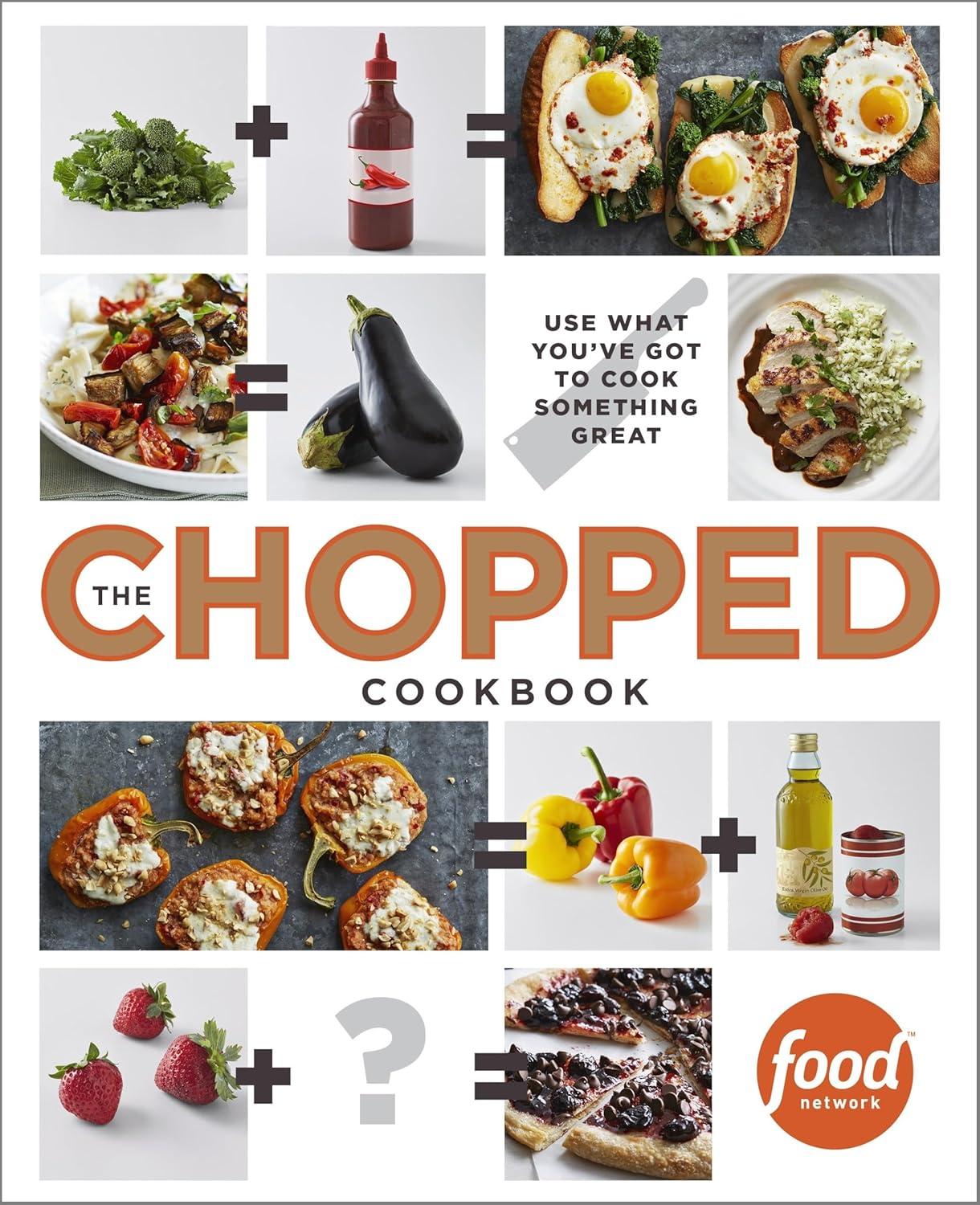
The Chopped Cookbook: Use What You've Got to Cook Something great
With nearly 200 recipes, The Chopped Cookbook teaches you how to combine pantry staples to make exciting meals so that the question "what's for dinner?" never stumps you again.
Experience: After hands-on use, the build quality stands out with a solid feel and intuitive controls. The design fits comfortably in daily routines, making it a reliable companion for various tasks.
| Key Features | Durable build, user-friendly interface, efficient performance |
| Pros |
|
| Cons |
|
Recommendation: Ideal for users seeking a blend of performance and style in everyday use. The product excels in reliability, though those needing extended battery life may want to consider alternatives.