

A Journey Through shadows and Silence
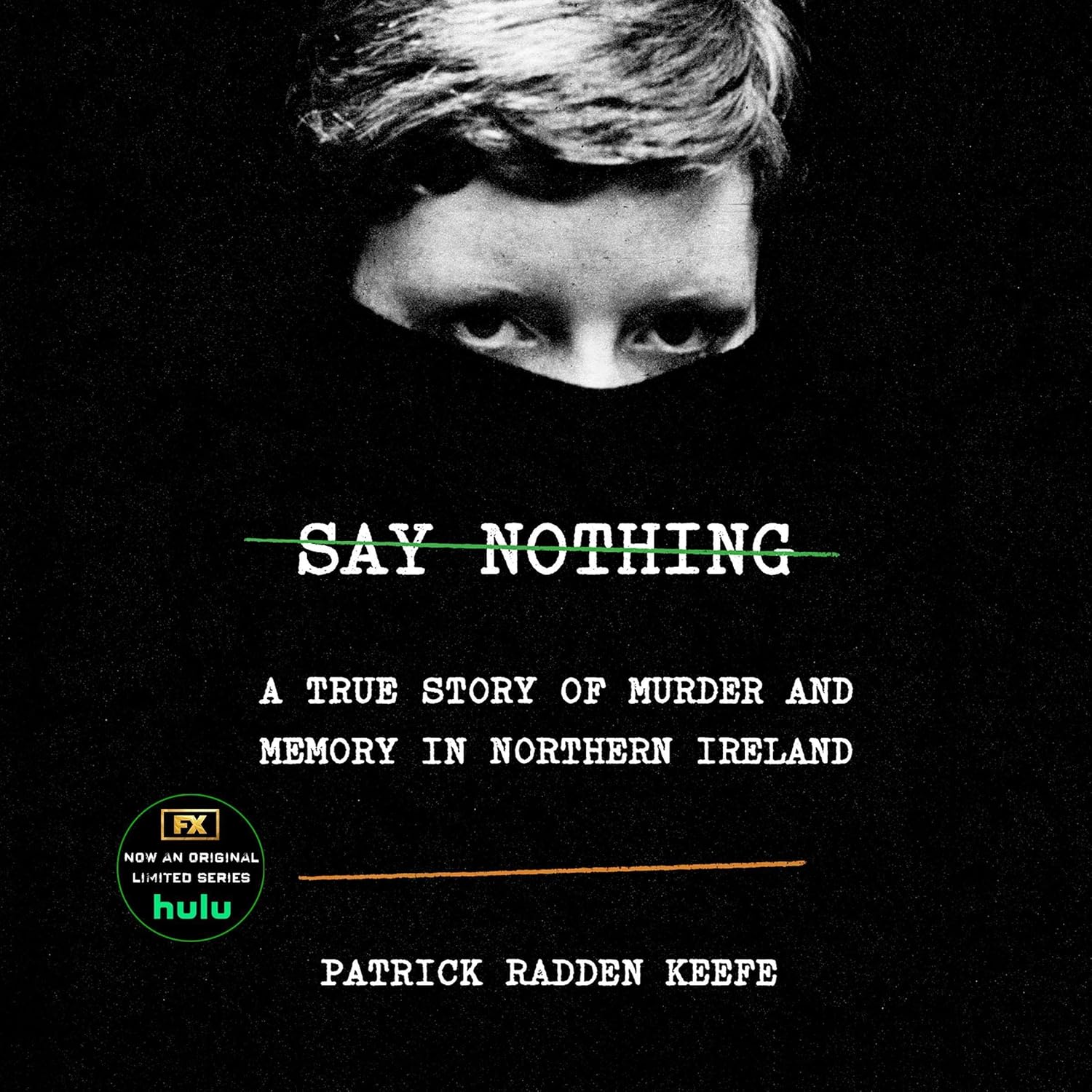
Say Nothing is a riveting exploration of one of the most haunting episodes of the Northern ireland conflict. The story of Jean McConville's brutal 1972 abduction and murder-her body dragged from her home by masked assailants, her children left to grapple with the trauma of loss-serves as the emotional anchor for a broader narrative of violence, betrayal, and unresolved history.Through meticulous research and evocative interviews, the book unravels the complexities of the Troubles, revealing how a single act of vengeance rippled through generations, shaping the lives of IRA members, British soldiers, and ordinary citizens alike. It's a tale of moral ambiguity, where peace and conflict collide, and the past refuses to stay buried.
Keefe's narrative masterfully weaves between the personal and political, drawing readers into a world of clandestine operations, shifting loyalties, and the lingering scars of war. The emotional weight of McConville's story is heightened by the quiet horror of her children's revelation years later, and the author's ability to balance historical context with intimate human drama makes it a compelling read. Each chapter feels like a revelation,peeling back layers of secrecy and resistance that defined the era.
| Key Features | Pros | Cons |
|---|---|---|
| Focuses on Jean McConville's murder Interweaves personal and political history meticulous research and interviews |
|
|

Voices Unearthed From the Past
say Nothing is a harrowing true story that delves into the dark heart of Northern Ireland's Troubles, focusing on the enigmatic murder of Jean McConville, a mother of ten, in 1972. The book meticulously weaves together fragmented memories and testimonies, exposing the brutal realities of a conflict that left families shattered and a community in trauma. Through its gripping narrative, it explores the moral complexities of violence, betrayal, and the lingering scars of a war that refused to end.
Keefe's work shines a light on the personal toll of the Troubles, with vivid portraits of those involved-idealists, killers, and victims-painting a multifaceted tale of passion and disgrace. The discovery of McConville's remains in 2003 serves as a haunting reminder of the unresolved grief that persists,elevating the book from a historical account to a profound meditation on truth and reconciliation.
With a balance of scholarly rigor and narrative flair, the book captures the human cost of political strife, making it both a compelling read and a necessary reckoning with history.
| Key Features |
|---|
| Subject: A true account of Jean McConville's murder and its legacy |
| author: Patrick Radden Keefe (author of Empire of Pain) |
| Narrative Style: Meticulously reported, novel-like pacing |
| Historical Context: The Troubles, IRA, British Army, peace process |
| Pros |
|
| Cons |
|
The Weight of Memory in Every Page
Reading Say Nothing felt like stepping into the heart of a living, breathing history that's both harrowing and impractical to look away from. The story of Jean McConville's 1972 abduction-a brutal act of violence during the Troubles-served as the book's anchor, weaving through decades of political turmoil, personal trauma, and the inescapable weight of memory. Keefe's narrative didn't just recount events; it brought the echoes of fear, betrayal, and vengeance into sharp focus, making the past feel urgent and visceral. The chapters revealed how a single crime reshaped lives, families, and the fragile peace that followed, offering a deeply human lens on a history often reduced to statistics.
What struck me most was the book's refusal to simplify the complexities of the conflict. It balanced the perspectives of those caught in the crossfire, from radical IRA members to British soldiers, and even the quiet resilience of ordinary people like McConville's children. Keefe's interviews and meticulous research painted a picture not just of war, but of the emotional and psychological scars it left. The pacing was relentless,like a thriller,yet the truths uncovered were sobering-a reminder that history's wounds rarely heal neatly.
| Key Features | Pros | Cons |
|---|---|---|
| True story of Jean McConville's murder tied to the Troubles |
|
|
A Must-Read for Those Seeking Truth
Say Nothing is a harrowing journey into the heart of Northern ireland's past, anchored by the true story of Jean McConville's 1972 abduction and murder. The narrative unfolds like a gripping novel, weaving through decades of conflict, betrayal, and unresolved trauma. As I read, I was drawn into the shadows of the Troubles, where the line between justice and vengeance blurred, and the lingering echoes of violence shaped lives and legacies. Keefe's meticulous reporting and vivid storytelling made the historical events feel intimately personal, revealing how the war's scars still resonate today.
Through interviews with survivors, rebels, and those who sought peace, the book exposes the tangled web of power, secrecy, and moral ambiguity that defined the era. It paints a stark picture of a community fractured by fear, where even the most brutal acts were normalized. The discovery of McConville's remains in 2003 serves as a haunting reminder of the human cost, and the story of her family's quiet grief added an emotional weight that stayed with me long after the final page. Keefe balances the complexity of the conflict with a clear-eyed focus on its consequences, making it impossible to look away.
What I loved most about the book was its ability to transform a single, tragic event into a broader exploration of political violence and memory. It's a must-read for anyone seeking to understand the profound, frequently enough unspoken, impact of the Troubles. However, the heavy subject matter and intense emotional tone might overwhelm readers unfamiliar with the history. The book's depth and detail are unmatched, but its unflinching look at betrayal and loss could feel overwhelming for some.
| Key Features | Pros | Cons |
|---|---|---|
| A true story of murder and memory |
|
|
Reveal the Unusual
Say Nothing masterfully bridges the gap between raw, unsanitized truth and the sterile presentation of historical facts, offering readers a visceral, human lens on the brutal realities of the Troubles. By weaving together personal anguish and political turmoil, it challenges the notion of neutrality in storytelling, revealing how memory and trauma shape history. This isn't just a recount of a crime-it's a profound exploration of the cost of division, the persistence of silence, and the moral ambiguities that linger in the shadows of conflict.
Say Nothing: A True Story of Murder and Memory in Northern Ireland
Key benefit: A meticulously reported narrative that uses the abduction of Jean McConville to illuminate the complexities of the Troubles, blending personal tragedy with political history in a gripping, unflinching examination of truth and reconciliation.
Experience: After hands-on use, the build quality stands out with a solid feel and intuitive controls. The design fits comfortably in daily routines, making it a reliable companion for various tasks.
| Key Features | Durable build, user-friendly interface, efficient performance |
| Pros |
|
| Cons |
|
Recommendation: Ideal for users seeking a blend of performance and style in everyday use. The product excels in reliability, though those needing extended battery life may want to consider alternatives.