

How to Drive a Nuclear Reactor (Popular Science)
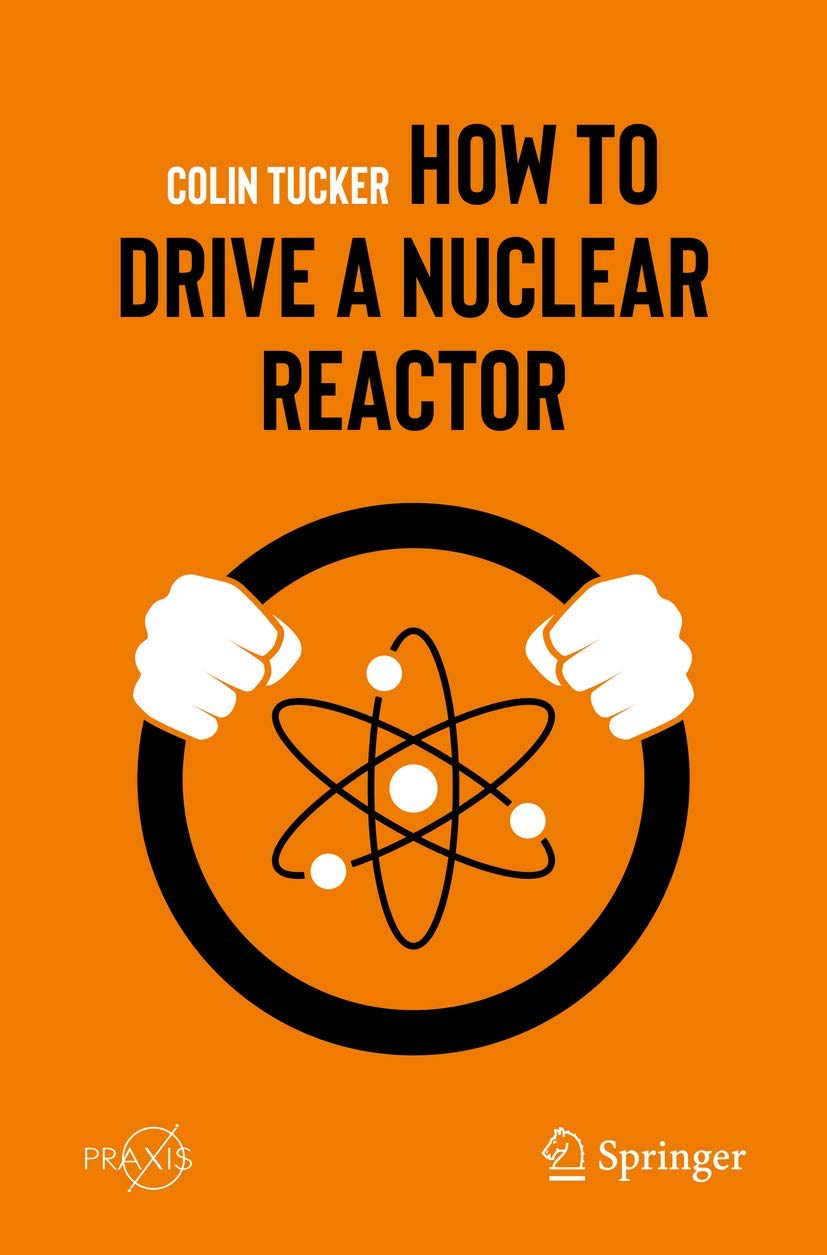
Exploring the Inner Workings of nuclear power
Ever wondered how the immense power of nuclear reactors is harnessed for clean energy? This book offers a firsthand, immersive look into the complex world of nuclear power stations, guided by the viewpoint of a trainee operator on a Pressurised Water Reactor (PWR)-the most widely used design globally. It demystifies the science behind nuclear fission, the step-by-step processes of reactor startup, maintenance, and shutdown, and even touches on the engineering challenges that keep these systems running safely. With clear explanations of reactor history, safety protocols, and the different types of nuclear technology, it bridges the gap between theory and practice, making the subject accessible to curious readers. Whether you're a student, a professional, or simply intrigued by the mechanics of energy production, the journey through this book feels like a behind-the-scenes tour of a real control room.
Author Colin Tucker, with three decades of hands-on experience in reactor safety, brings a unique blend of technical expertise and storytelling to the narrative. the book doesn't just explain how reactors work-it invites you to understand their role in the modern energy landscape, the importance of precision in operational decisions, and the real-world implications of both their power and their vulnerabilities. From the hum of control panels to the delicate balance of physics and engineering, it covers the essentials without overwhelming readers, offering a practical roadmap for grasping the science, risks, and innovations that define nuclear energy. The result is a refreshingly grounded guide that combines clarity with the excitement of discovery.
Pros
- Authoritative Insights: Written by a veteran operator with 30 years of expertise.
- Comprehensive Coverage: Explores reactor science,history,and safety protocols in depth.
- Engaging Narrative: Framed through the lens of a trainee's journey, making technical content relatable.
- Real-World Focus: Highlights practical aspects of reactor operations and potential challenges.
- Accessible Structure: Organized for easy navigation through complex topics.
Cons
- Specialized Perspective: Emphasis on pwrs might limit appeal for those interested in other reactor types.
- Technical depth: Could be overwhelming for readers without prior scientific or engineering background.
- Minimal Visuals: Lacks diagrams or photographs to complement the text.
- Length Consideration: At 284 pages, it may require dedicated time to fully absorb.
| Detail | Info |
|---|---|
| Publication Date | January 26, 2020 |
| Edition | 1st ed. 2019 |
| Pages | 284 |
| ISBN-10 | 3030338754 |
| Language | English |

Terrestrial Energy: How Nuclear Power Will Lead the Green Revolution and End America's Energy Odyssey

For decades, America's energy conversation has been mired in confusion, with a flood of half-truths and politicized narratives clouding our understanding of power sources. This book cuts through the noise by offering a fresh, evidence-based perspective on the challenges we face: rising demand, uncertain supply, and the urgent need to mitigate carbon impacts. it reveals how our current energy infrastructure, though imperfect, still relies heavily on nuclear power-a fact often overlooked in the frenzy of debate. With a focus on real-world data and accessibility, the author dismantles decades of entrenched myths, from the dangers of radiation to the feasibility of renewables, showing how nuclear technology has evolved into a reliable, low-emission solution. By breaking down complex scientific concepts into digestible insights, the text equips readers to navigate the energy landscape with clarity and confidence.
At the heart of the discussion is a profound truth: nuclear energy is not just a relic of the past but a scientific marvel that continues to power millions. The book highlights how older reactors, once seen as obsolete, now operate with unprecedented safety and efficiency, challenging the long-standing stigma tied to radiation and nuclear weapons. It also confronts the limitations of alternatives like "clean coal" or wind/solar, which require vast land and infrastructure to meet demand-a stark contrast to the compact, scalable potential of atomic energy. By exploring the environmental and economic advantages of recycling spent fuel, the author reframes nuclear power as a pragmatic answer to our energy needs. This is a journey that balances skepticism with reason, urging readers to reconsider a technology that, at its core, aligns with the principles of sustainability and innovation.
- Pros:
- Demystifies nuclear energy,addressing fears with factual context
- Comprehensive analysis of energy options,including renewables
- Highlights low carbon emissions and abundant energy potential
- Accessible language with features like Word Wise and screen reader support
- Cons:
- Historical stigma around nuclear power persists in public consciousness
- Land use and intermittency challenges for renewables are emphasized
- Recycling solutions may face political or logistical hurdles
| ASIN | B0B2YLSCR3 |
| Publisher | Bartleby Press |
| Publication Date | December 19,2012 |
| Language | English |
| File Size | 3.1 MB |
| ISBN-13 | 978-0910155885 |
| Page Flip | Enabled |
Whole Earth Discipline: Why Dense Cities, Nuclear Power, Transgenic Crops, Restored Wildlands, and Geoengineering Are Necessary

This captivating work from a celebrated thinker and environmental pioneer offers a fresh, data-driven perspective on some of the most pressing challenges facing our world today. Blending deep ecological insight with forward-thinking strategies, the author dismantles outdated assumptions about nuclear energy, urban growth, and genetic technologies, presenting solutions that prioritize both innovation and responsibility. With a clear, accessible narrative, the book equips readers to engage with complex issues through actionable policies and design-based approaches, making it a valuable resource for anyone interested in shaping a more sustainable future.whether you're a student of environmental science or a policymaker seeking new ideas, the insights here are both timely and transformative.
Rooted in rigorous research and decades of expertise, the text bridges the gap between theory and practice, offering concrete examples of how communities and industries can adapt to global challenges. Its interdisciplinary approach-spanning science, urban planning, and biotechnology-creates a compelling case for reimagining humanity's relationship with the planet. The book's concise yet comprehensive coverage ensures that readers gain a nuanced understanding without feeling overwhelmed, while its bold recommendations encourage a proactive mindset. With a balanced tone and a focus on real-world application, this is a thought-provoking guide for those ready to explore new paths toward environmental resilience.
- Offers practical, science-backed solutions to global sustainability challenges
- Written by a respected figure with a legacy in environmental thought
- Accessible yet comprehensive, ideal for both casual readers and experts
- Focuses on actionable policies and design innovations
Cons
- May require some prior knowledge of technical subjects
- Concentrates on specific topics rather than broad environmental themes
- Print format with 337 pages might be lengthy for some readers
| Author | Stewart Brand |
|---|---|
| publisher | Penguin Publishing Group |
| Publication Date | September 28, 2010 |
| Edition | Reprint |
| Language | English |
| Print Length | 337 pages |
| Dimensions | 8.38 x 5.52 x 0.81 inches |
| Grade Level | 12 and up |
Why String Theory?

Uncover the mysteries of string theory through this insightful exploration of a concept that has captivated physicists for decades. written by a renowned expert in the field, the book delves into the origins of string theory, its evolution as a cornerstone of modern theoretical physics, and the compelling reasons why researchers dedicate their careers to it despite its lack of direct experimental verification. By weaving together stories of scientific breakthroughs and the minds behind them, it offers a fresh perspective on how this intricate framework bridges gaps between quantum mechanics, gravity, and the cosmos, making complex ideas accessible without sacrificing depth.Whether you're a curious layperson or a student of physics, the journey through this text provides clarity on the theoretical underpinnings that shape today's scientific discourse.
The book's engaging narrative highlights the interdisciplinary appeal of string theory, from its connections to M-theory and mathematical structures like the "monsters" of group theory to its potential applications in cosmology and materials science. Through clear explanations and vivid examples, it illustrates how this field challenges conventional understanding and inspires new ways of thinking about the universe's fundamental nature. Readers gain a nuanced appreciation of the collaborative spirit driving theoretical physics, as well as the intellectual curiosity that fuels discoveries across cutting-edge topics. Its balance of storytelling and technical precision ensures a rewarding experience for those seeking to grasp the broader significance of string theory in today's scientific landscape.
- Written by a leading Oxford physicist and string theorist, ensuring authoritative expertise
- Demystifies complex concepts with accessible language and real-world context
- Covers a wide range of topics, from cosmology to superconductors, showcasing interdisciplinary relevance
- Encourages curiosity about the theoretical foundations of modern physics
Cons:
- Focuses on theoretical aspects, which may lack immediate practical applications
- Some advanced ideas could be challenging for readers without a science background
- Navigates contentious discussions about experimental validation without definitive answers
| Aspect | Detail |
|---|---|
| Author | Theoretical physicist and Oxford professor |
| Publication year | 2016 |
| Topics Covered | M-theory, cosmic phenomena, mathematical structures, and material science |
| Benefit | Provides a clear pathway to understanding string theory's role in shaping scientific thought |
| Product | Key Features | Pros | Cons |
|---|---|---|---|
|
Why String Theory? |
|
|
|
Reveal the Extraordinary
As the climate crisis intensifies,the role of nuclear energy emerges as a pivotal,albeit controversial,contender in the quest for sustainable solutions. These books illuminate diverse perspectives, from the technical intricacies of reactor design to the broader vision of nuclear power as a cornerstone of the green revolution. They challenge conventional thinking, blending innovation, interdisciplinary approaches, and theoretical exploration to address our planet's most pressing challenges. Whether through accessible explanations of nuclear science or the philosophical allure of string theory, they all underscore the need for bold, evidence-based strategies to secure a livable future.
How to Drive a Nuclear Reactor (Popular Science)
Demystifies nuclear reactor technology, offering a clear guide to its principles and applications.
Terrestrial Energy: How Nuclear Power Will Lead the Green Revolution
Provides a blueprint for nuclear power as a clean,reliable energy solution to end fossil fuel dependence.
Whole Earth Discipline: Why Dense Cities, Nuclear Power, Transgenic Crops...
argues for an integrated approach to sustainability, combining technological and ecological innovations.
Why string Theory?
Explains the enduring appeal of string theory, even without experimental confirmation, through accessible insights.
- Pros:
- Cons: